
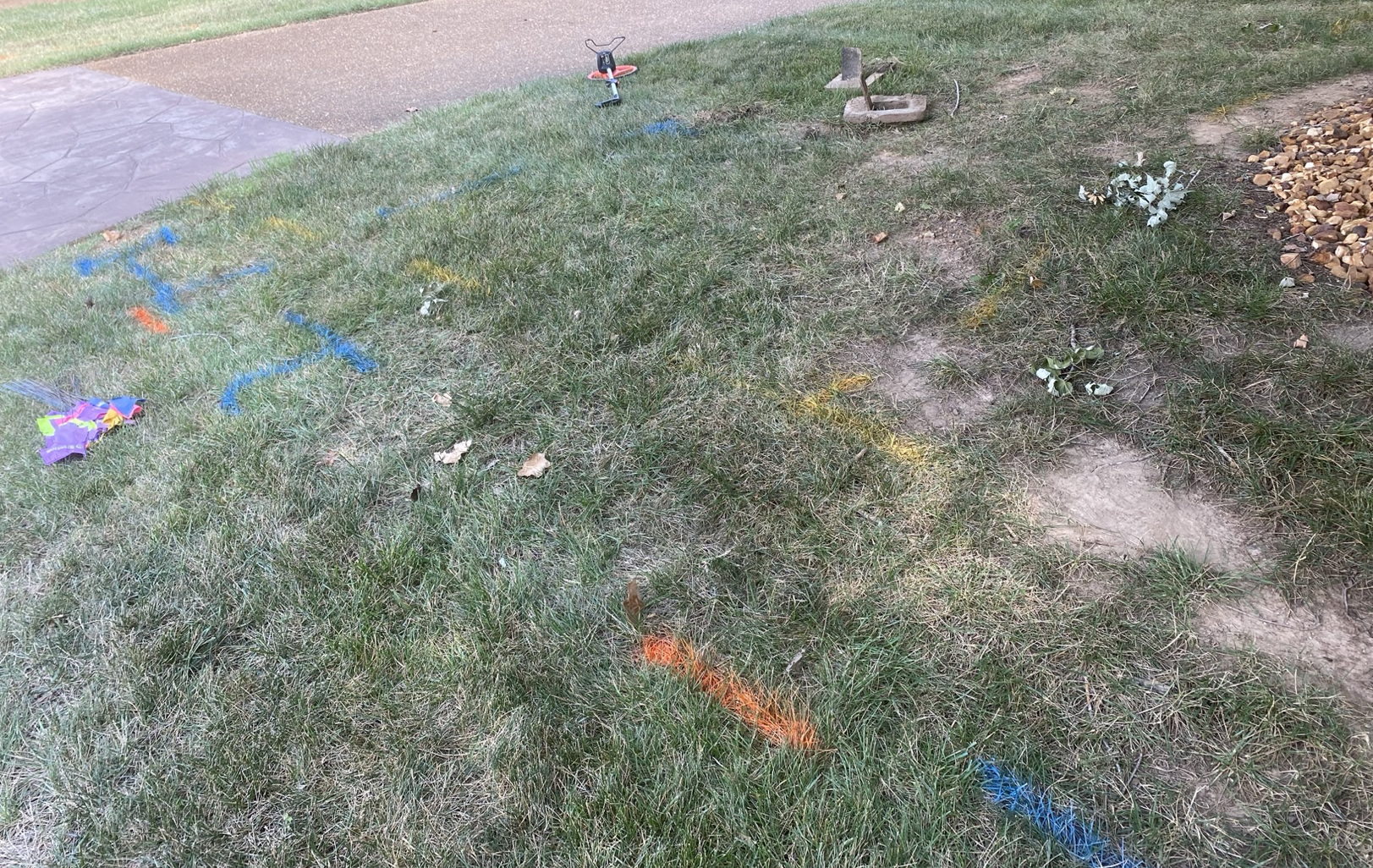
The Value of Utility Marking Audits
Accurate utility marking is a critical component of damage prevention, public safety, and operational efficiency. While much emphasis is placed on locating practices in the field, the role of utility marking audits is often underestimated. Utilities that proactively self-audit their marking practices gain measurable benefits in safety, compliance, and long-term cost control. Conversely, the absence of a designated auditor or auditing program introduces risks that can undermine even well-intentioned marking programs.
What Is a Utility Marking Audit?
A utility marking audit is a structured review of how underground utilities are identified, marked, documented, and communicated to stakeholders. Audits typically assess the alignment with internal procedures and regulatory requirements while assessing the accuracy, consistency, and adherence to standards. When conducted internally, these audits allow utilities to evaluate performance objectively and address gaps before they lead to incidents.
The Benefits of Utilities Self-Auditing
One of the primary advantages of self-auditing is early risk identification. Minor marking inaccuracies, documentation gaps, or procedural deviations can be identified and corrected before they escalate into utility strikes, service disruptions, or safety events. This proactive approach shifts organizations from reactive damage response to one of a proactive risk management.
Self-audits also support continuous improvement. By regularly reviewing marking quality and processes, utilities can identify trends, recurring issues, or training needs. This enables targeted improvements in locator training, equipment uses, and internal standards rather than relying on assumptions or isolated feedback from damage events. In doing so, you can remove the old school of thought, and that is “I’ll deal with it when it happens.”
Another key benefit is regulatory and contractual readiness. Many jurisdictions and clients increasingly expect demonstrable due diligence in damage prevention. A documented audit program provides tangible evidence that a utility is actively managing marking quality, not simply meeting minimum requirements. This can be particularly valuable during investigations, claims, or external audits.
From a financial perspective, self-auditing can reduce long-term costs. Utility strikes carry direct repair costs and indirect costs such as service outages, reputational damage, administrative burden, and increased insurance premiums. Investing time in internal audits is often far more cost-effective than responding to avoidable incidents.
Within the utility industry, budgets are tight, workforce is at a premium, and resources are scarce. These are but a few factors that can influence a utility’s ability to conduct audits.
The Risks of Not Having a Designated Auditor
Without a designated auditor, utility marking quality often becomes inconsistent and subjective. Field staff may follow best practices differently, documentation may vary, and issues may go unnoticed until a damage event occurs. In these environments, feedback tends to be informal and reactive rather than systematic and data-driven.
A lack of clear audit responsibility can also create accountability gaps. When everyone is assumed to be responsible for quality, no one truly is. Issues may be identified but not tracked, escalated, or resolved. Over time, this can lead to normalized deviation, where substandard practices become accepted simply because they are common.
Additionally, organizations without a formal auditor may struggle during incident investigations. The absence of audit records makes it difficult to demonstrate due diligence or identify root causes objectively. This can increase liability exposure and limit the organization’s ability to defend its practices.
Building a Strong Audit Culture
Designating a utility marking auditor does not require a large team or complex system. What matters is clarity of role, consistency of approach, and leadership support. Effective auditors focus on improvement rather than blame, fostering a culture where quality and safety are shared priorities.
Conclusion
Utility marking audits are not merely an administrative exercise; they are a strategic investment in safety, reliability, and operational excellence. Utilities that embrace self-auditing gain greater control over their risk profile, strengthen their damage prevention programs, and demonstrate leadership in industry best practices. In contrast, the absence of a designated auditor leaves organizations vulnerable to inconsistency, avoidable incidents, and unnecessary costs. Proactive self-auditing is not just beneficial; it is essential.