
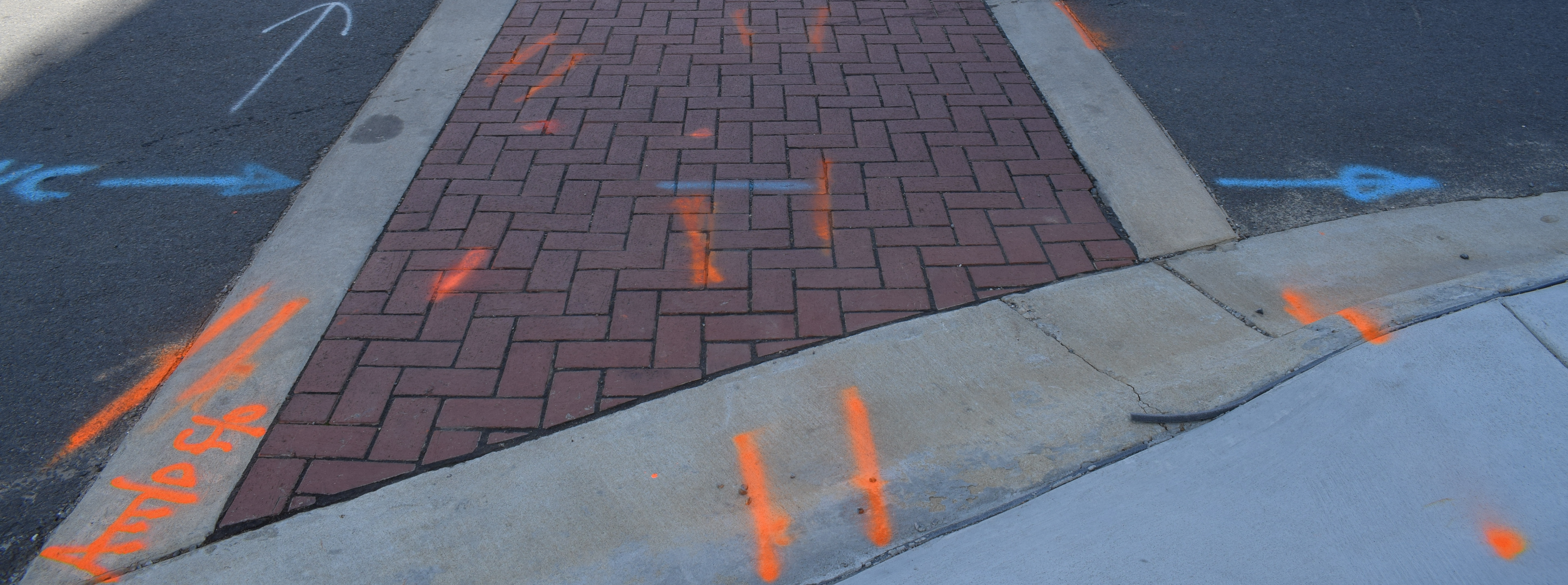
For decades, the locating profession has quietly stood at the center of construction, excavation, and underground infrastructure protection. Millions of Americans may never see a utility locator at work, yet every safe excavation, every protected gas line, and every avoided service outage is a direct result of the skill and responsibility carried by these professionals.
But over the past decade, something has shifted.
The locating industry has slowly moved from being viewed as an essential part of the construction process to being seen, in some circles, as a liability. Instead of being recognized for the expertise required to protect critical infrastructure, locators are sometimes treated as a bottleneck or a problem to manage rather than a partner in safety.
The real question is not whether this shift has occurred.
The real question is: How did we get here?
And perhaps more importantly: How do we change it?
From Skilled Trade to Staffing Model
Years ago, locating was largely treated as a skilled trade. Locators were trained, developed, and trusted to build knowledge over time. Experience mattered. Understanding signal behavior mattered. Knowing the infrastructure beneath the ground mattered.
Today, in many areas of the industry, the emphasis has shifted toward something very different. Instead of focusing on skill development, the industry has increasingly leaned toward a staffing model — simply placing an able body in the field to meet growing workloads.
This change has not happened overnight. It has been driven by increasing demand, expanding infrastructure, rising excavation activity, and pressure to meet production metrics. But in the process, something important has been lost.
When the priority becomes filling positions instead of developing professionals, the entire system begins to feel the strain. Locators feel it first. Then contractors feel it. Then utilities feel it. And eventually the public feels it.
The Communication Gap
One of the largest contributing factors to this cultural shift is communication — or the lack of it. From the senior leadership level down to the local field level, communication gaps have widened across the industry.
Executives see numbers. Managers see production. Schedulers see ticket counts. But locators see something entirely different. They see the complexity of the infrastructure beneath their feet, congested corridors of utilities, unclear or oversized tickets, and the pressure to move faster while still maintaining safety.
Without consistent communication between leadership and the people performing the work in the field, these realities are often misunderstood or completely unseen. And when the boots-on-the-ground perspective is missing from decision-making, policies and expectations can drift further away from reality.
The Workload Challenge
Workload is another factor driving behavioral changes within the locating profession.
Ticket volumes continue to rise across the country as infrastructure expands and development accelerates. At the same time, locating companies are often expected to meet tight deadlines with limited staffing. The result is a level of daily pressure and exhaustion that many outside the industry do not fully understand.
Locators are expected to manage:
-
Large ticket volumes
-
Complex utility corridors
-
Time-sensitive deadlines
-
Weather conditions
-
Traffic hazards
-
Excavator communication
-
Documentation and reporting
All while ensuring the protection of infrastructure that communities depend on every day.
This is not simply a job. It is a responsibility that carries real consequences when mistakes occur. When workloads grow without balance, fatigue becomes a factor. When fatigue becomes a factor, quality and confidence can begin to suffer.
That is not a failure of individuals. That is a system issue.
Training and Education
Training remains one of the most important components of improving behavior within the locating industry.
But training alone is not enough.
Training must be paired with the right candidate selection and supported by an environment that encourages learning, mentorship, and professional development.
A locator should not simply be trained once and sent into the field to learn everything through trial and error. The profession requires continuous development, especially as technology evolves and infrastructure grows more complex.
Strong programs focus on:
-
Signal theory understanding
-
Field mentoring
-
Infrastructure knowledge
-
Problem-solving skills
-
Situational awareness
When training is taken seriously, confidence increases. And when confidence increases, performance follows.
Listening to the Field
One of the most effective ways to change the culture of the locating industry is surprisingly simple.
Listen to the locators.
The people working in the field every day carry a level of insight that cannot be replicated in reports or spreadsheets. They understand the daily challenges, where the processes break down, and where improvements could be made.
Including locators in feedback loop meetings can dramatically improve communication between leadership and the field. These conversations allow organizations to identify real problems before they grow into larger systemic issues.
When employees feel heard, engagement improves. When engagement improves, behavior improves. And when behavior improves, the culture begins to shift.
Building a Balanced Industry
Improving the locating industry will require balance in several key areas:
Education: Training programs that build skill, not just compliance.
Communication: Clear dialogue between leadership, management, and the field.
Workload Management: Realistic expectations that prioritize safety and quality.
Leadership: Leaders who understand the challenges faced by their teams.
Work-Life Balance: Recognizing the individuals protecting our infrastructure must also have time to recharge and maintain healthy lives outside of work.
When these elements are aligned, the locating profession can once again be seen for what it truly is: a critical part of the construction and infrastructure ecosystem.
Changing the Culture
Culture does not change overnight, but it does change through consistent leadership, better communication, and a willingness to listen.
The locating profession is filled with individuals who care deeply about protecting communities and infrastructure. When given the right tools, training, and support, these professionals are capable of performing at an incredibly high level.
Changing the behavior of the industry begins with recognizing the value of the people performing the work. Because at the end of the day, locating is not simply about marks on the ground. It is about protecting lives, infrastructure, and the trust placed in this profession by the communities we serve.
And when the industry begins to treat the locator not as a liability, but as a skilled professional and essential partner in safety, the culture will begin to change.